The Impact of Climate Change on Hawaiian Reefs
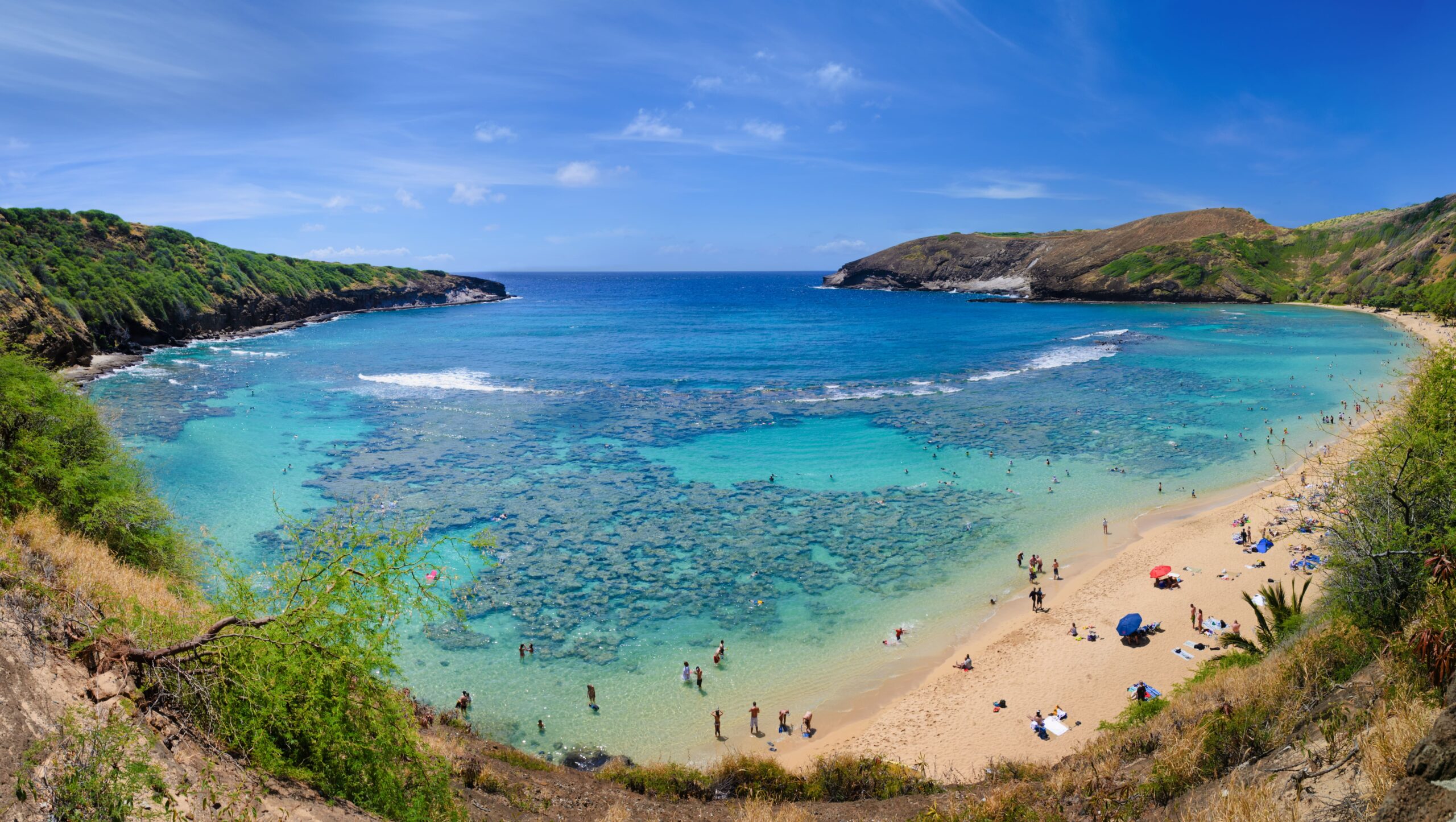
Hawaii’s coral reefs are not just beautiful underwater landscapes; they are vital ecosystems that support a vast array of marine life, protect coastlines, and contribute to the cultural and economic well-being of the islands. However, these reefs are increasingly under threat from climate change. Rising ocean temperatures, acidification, and more frequent and severe storms are taking a toll on Hawaii’s coral reefs, leading to bleaching events, reduced biodiversity, and weakened reef structures. Let’s explore how climate change is affecting Hawaiian reefs and what it means for the future of these crucial ecosystems.
1. Coral Bleaching
What Is Coral Bleaching? Coral bleaching occurs when corals, stressed by changes in conditions such as increased sea temperatures, expel the symbiotic algae (zooxanthellae) that live in their tissues. These algae provide corals with much of their color and, more importantly, their primary source of food through photosynthesis. Without them, corals turn white and become more vulnerable to disease and death.
Impact on Hawaiian Reefs Hawaii has experienced several significant coral bleaching events over the past few decades, with particularly severe occurrences in 2014, 2015, and 2019. These events have affected large areas of the state’s reefs, including those around Oahu, Maui, and the Big Island. When corals bleach, they are not dead, but they are in a weakened state. If the stress continues for too long, the corals may die, leading to a loss of habitat for the many species that depend on them.
Long-Term Consequences Repeated bleaching events can lead to a decline in coral cover and a shift in the composition of reef species. Some coral species are more resilient to temperature changes, while others are more susceptible. Over time, this can result in less diverse and less vibrant reefs, which impacts the entire marine ecosystem.
2. Ocean Acidification
What Is Ocean Acidification? Ocean acidification refers to the decrease in the pH of ocean water due to the absorption of excess atmospheric carbon dioxide (CO2). When CO2 dissolves in seawater, it forms carbonic acid, which lowers the pH and reduces the availability of carbonate ions. These ions are crucial for marine organisms like corals to build their calcium carbonate skeletons.
Impact on Hawaiian Reefs As the oceans around Hawaii become more acidic, the ability of corals to produce their skeletons is compromised. This leads to weaker, more brittle coral structures that are less capable of withstanding physical stresses such as storms and wave action. Acidification also affects other calcifying organisms, such as mollusks and certain types of plankton, which are foundational to the marine food web.
Long-Term Consequences Continued ocean acidification could result in slower reef growth and reduced structural integrity of coral reefs. This makes the reefs less effective at providing habitat for marine life and protecting shorelines from erosion. It also threatens the overall resilience of the reef ecosystem, making it more susceptible to other environmental stressors.
3. Rising Sea Temperatures
What’s Happening? Global warming is causing average sea temperatures to rise, and the waters around Hawaii are no exception. Warmer waters increase the likelihood of coral bleaching, as corals are highly sensitive to temperature changes. Even a slight increase in water temperature can trigger a bleaching event.
Impact on Hawaiian Reefs Warmer ocean temperatures are not only causing more frequent bleaching events but also altering the reproductive cycles of corals and other marine organisms. For instance, some species of fish and invertebrates are changing their spawning times or locations, which can disrupt the delicate balance of the reef ecosystem.
Long-Term Consequences If sea temperatures continue to rise, Hawaii’s coral reefs may face increasingly severe bleaching events, with less time to recover between them. This could lead to widespread coral mortality, a decline in reef biodiversity, and a decrease in the ecosystem services that reefs provide, such as coastal protection and fishery support.
4. Increased Frequency and Severity of Storms
What’s Happening? Climate change is leading to more frequent and intense storms, including hurricanes and tropical storms. These storms can cause significant physical damage to coral reefs through strong waves, storm surges, and sedimentation.
Impact on Hawaiian Reefs Hurricanes and tropical storms can break apart coral structures, uproot marine plants, and bury reefs under sediment. While healthy reefs can often recover from such events, those already weakened by bleaching, acidification, and other stressors may struggle to rebound.
Long-Term Consequences Increased storm activity could lead to more frequent and widespread damage to Hawaii’s reefs. Over time, this could result in a reduction in reef complexity, which is essential for providing habitat to marine life. The loss of structural complexity can also reduce the reef’s ability to protect shorelines from erosion and storm surges.
5. Sea Level Rise
What’s Happening? As global temperatures rise, polar ice melts and seawater expands, leading to rising sea levels. This phenomenon is already being observed in Hawaii, where sea levels are rising at a rate of about 1 inch per decade.
Impact on Hawaiian Reefs Rising sea levels can lead to deeper water over coral reefs, which reduces the amount of sunlight reaching the corals. Since corals rely on sunlight for photosynthesis through their symbiotic algae, reduced light can stress the corals and contribute to bleaching.
Long-Term Consequences If sea levels continue to rise, some coral reefs may no longer be able to receive enough sunlight to survive, particularly those that are already near the lower limit of their depth range. This could lead to a shift in reef distribution and a potential loss of some shallow-water coral species.
What Can Be Done?
Conservation Efforts Efforts to protect and restore Hawaii’s coral reefs are crucial in the fight against climate change. These include establishing marine protected areas, reducing local stressors such as pollution and overfishing, and supporting coral restoration projects that focus on breeding more resilient coral species.
Global Action While local conservation is vital, addressing the root causes of climate change requires global action. Reducing greenhouse gas emissions, transitioning to renewable energy sources, and promoting sustainable practices are essential steps in mitigating the effects of climate change on coral reefs and other ecosystems.
Conclusion
The impact of climate change on Hawaiian reefs is profound and multifaceted, threatening the very foundations of these incredible ecosystems. As the effects of global warming continue to intensify, the future of Hawaii’s coral reefs depends on our collective ability to address both the local and global challenges they face. By understanding the threats posed by climate change and supporting efforts to protect and restore these reefs, we can help ensure that Hawaii’s underwater treasures continue to thrive for generations to come.


