Endemic Marine Life Found Only in Hawaii’s Reefs
Hawaii’s isolation in the middle of the Pacific Ocean has given rise to a unique and diverse ecosystem, where a significant portion of marine life is found nowhere else on Earth. The state’s reefs are a living tapestry of endemic species—organisms that have evolved and adapted exclusively within the Hawaiian archipelago. These species are not just important biologically, but they also hold cultural significance and contribute to the overall health of the marine environment. Let’s dive into some of the most fascinating endemic marine life found only in Hawaii’s reefs.
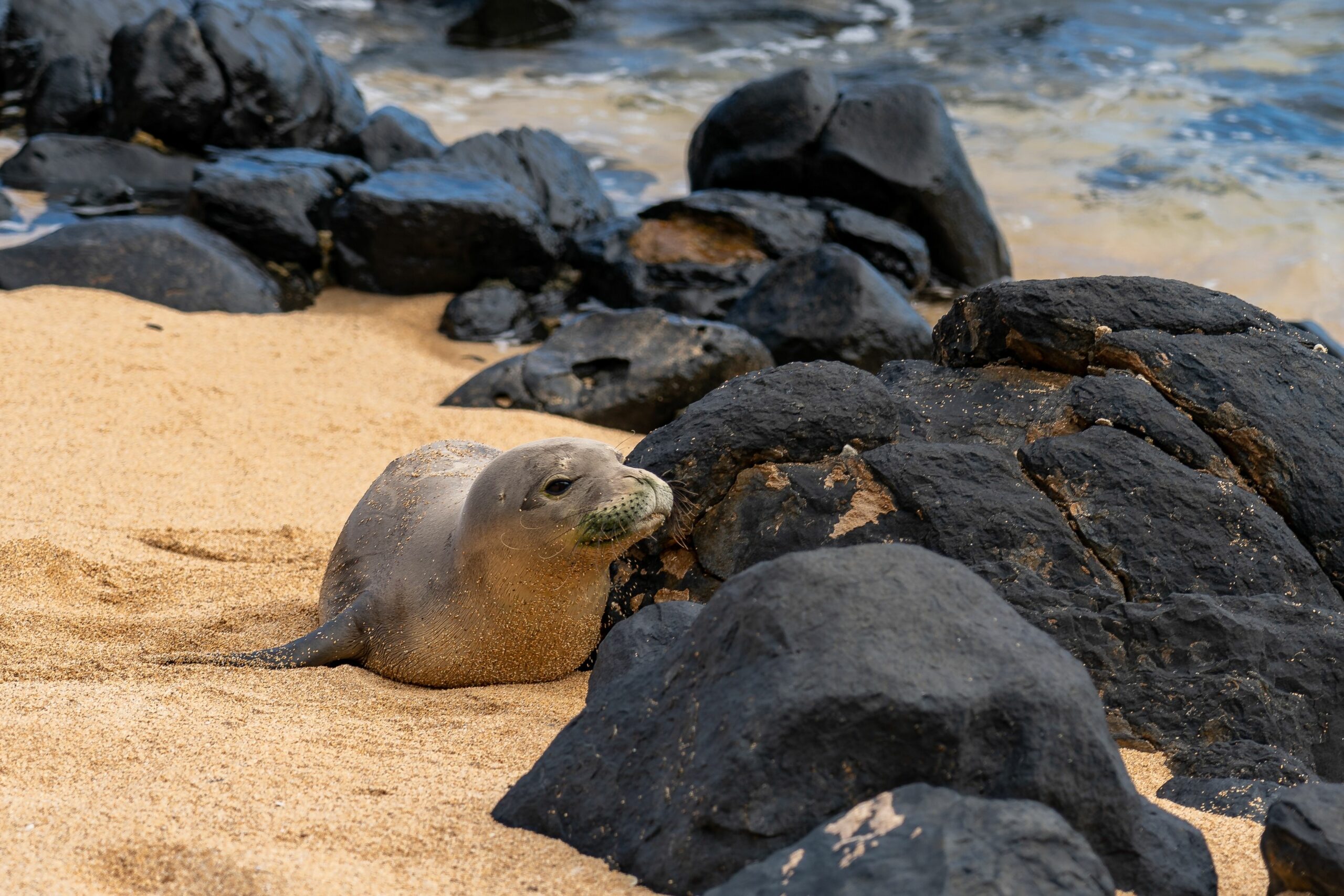
1. Hawaiian Monk Seal (Neomonachus schauinslandi)
Description: The Hawaiian monk seal is one of the most endangered marine mammals in the world, with fewer than 1,500 individuals remaining. This species is characterized by its sleek, gray body, expressive eyes, and distinctively playful behavior. Despite being called seals, they are actually more closely related to bears and skunks.
Habitat: Hawaiian monk seals primarily inhabit the Northwestern Hawaiian Islands, but some can also be found around the main Hawaiian Islands. They favor remote, sandy beaches for resting and pupping.
Ecological Role: As apex predators, monk seals play a crucial role in maintaining the balance of the marine ecosystem. They feed on a variety of fish, octopus, and crustaceans, helping to regulate populations and ensure a healthy reef environment.
2. Yellow Tang (Zebrasoma flavescens)
Description: The yellow tang is one of the most recognizable fish in Hawaiian waters, with its bright yellow coloration and oval-shaped body. While the yellow tang can be found in other parts of the Pacific, the populations around Hawaii are considered distinct and are integral to the reef’s biodiversity.
Habitat: Yellow tangs are typically found in shallow reef flats and lagoon areas, where they graze on algae. They are often seen in schools, adding a splash of color to the reef.
Ecological Role: Yellow tangs are important herbivores, helping to keep algae growth in check. This grazing behavior is crucial for preventing algae from overwhelming the coral, thus maintaining the delicate balance of the reef ecosystem.
3. Hawaiian Green Sea Turtle (Chelonia mydas)
Description: The Hawaiian green sea turtle, or “honu” as it’s known locally, is a beloved symbol of Hawaii’s natural heritage. These large, slow-moving turtles can live for several decades, and their smooth, streamlined shells make them graceful swimmers.
Habitat: Green sea turtles are commonly found in coastal areas, particularly near coral reefs where they forage on seagrass and algae. They are also known to bask on sandy beaches, a behavior relatively unique to the Hawaiian population.
Ecological Role: By feeding on seagrass and algae, green sea turtles help maintain healthy seagrass beds and prevent algae from smothering coral reefs. Their presence is a sign of a thriving, balanced ecosystem.
4. Hawaiian Dascyllus (Dascyllus albisella)
Description: The Hawaiian dascyllus, also known as the Hawaiian domino damselfish, is a small but striking fish with a black body adorned with white spots. These fish are known for their bold personality and are often seen hovering near coral heads or anemones.
Habitat: These fish are typically found in shallow reef environments, where they live in close association with branching corals. They are often seen in small groups or pairs.
Ecological Role: Hawaiian dascyllus are important reef inhabitants, contributing to the overall biodiversity of the ecosystem. They often serve as indicator species, with their health reflecting the general state of the reef environment.
5. Hawaiian Cleaner Wrasse (Labroides phthirophagus)
Description: The Hawaiian cleaner wrasse is a brightly colored fish that plays a unique role on the reef. Its vivid blue and yellow coloration makes it easy to spot, and its behavior of “cleaning” other fish by eating parasites and dead skin has earned it its name.
Habitat: Cleaner wrasses are found in shallow reefs, where they set up cleaning stations. Other fish visit these stations to have parasites and dead tissue removed by the wrasse.
Ecological Role: The cleaning behavior of the Hawaiian cleaner wrasse is vital for the health of other reef fish. By removing parasites, they help maintain the well-being of their “clients,” contributing to the overall health of the reef community.
6. Bandit Angelfish (Apolemichthys arcuatus)
Description: The bandit angelfish, or “bandit angelfish,” is a small, elegant fish characterized by its black-and-white coloration. It has a distinctive black band running across its eyes and along its body, giving it a masked appearance.
Habitat: Bandit angelfish are typically found at greater depths, often between 60 to 200 feet, making them less commonly seen by snorkelers but a prized sight for deep-sea divers.
Ecological Role: As part of the reef’s intricate food web, bandit angelfish contribute to the diversity and balance of the ecosystem. Their presence is indicative of a healthy, deep-reef environment.
7. Hawaiian Squirrelfish (Sargocentron xantherythrum)
Description: The Hawaiian squirrelfish is known for its bright red color and large, reflective eyes. These fish are nocturnal and are often seen hiding in crevices during the day, coming out at night to feed.
Habitat: Hawaiian squirrelfish prefer rocky reefs and areas with plenty of hiding spots. They are commonly found in caves or under overhangs.
Ecological Role: As nocturnal predators, squirrelfish play a role in controlling populations of small invertebrates and zooplankton. Their behavior helps maintain the balance of reef life, especially during nighttime hours.
Conclusion
Hawaii’s reefs are home to an extraordinary array of endemic marine life, each species contributing to the unique tapestry of the underwater ecosystem. These creatures are not only fascinating to observe but also play crucial roles in maintaining the health and balance of the reefs. By protecting these endemic species and their habitats, we ensure that Hawaii’s reefs continue to thrive, preserving both natural beauty and biodiversity for future generations. Whether you’re exploring these reefs in person or learning about them from afar, understanding the unique marine life that calls Hawaii home can deepen your connection to this remarkable environment.


